

THE US-IRAN DEAL SURVIVED ITS FIRST TEST
Just days ago, markets were preparing for another escalation in the Middle East. Today, the narrative looks very different.

The first round of U.S.-Iran negotiations in Switzerland concluded with what officials described as “encouraging progress,” with both sides agreeing to a 60-day roadmap toward a final agreement.
The talks, mediated by Qatar and Pakistan, produced several concrete outcomes:
- Working groups were formed to handle nuclear issues, sanctions, and dispute resolution.
- A direct communication line was established to reduce the risk of incidents in the Strait of Hormuz.
- A Lebanon deconfliction cell was created to support the fragile ceasefire.
- Technical negotiations will continue throughout the week in Switzerland.
However, the deal remains far from guaranteed. Iran has repeatedly stated that implementation depends on Israel withdrawing from Southern Lebanon and ending military operations. Israeli officials have so far rejected those conditions.
The market’s base case remains that the agreement survives because the alternative has become far more dangerous. With the Federal Reserve turning hawkish and rate hike expectations rising, markets desperately want geopolitical risks moving lower rather than higher.
The first round is complete. Now comes execution.
MARKETS ARE STABLE FOR NOW
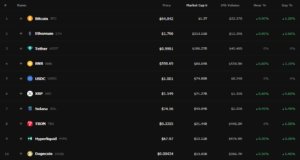
Despite the geopolitical uncertainty, markets are surprisingly calm. Most major crypto assets are showing small gains on the day.
Meanwhile, sentiment has improved slightly. The Crypto Fear and Greed Index currently sits at 22. While still firmly in “Fear,” the market has moved away from the extreme fear levels seen earlier this month.
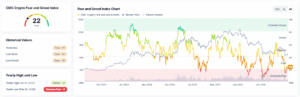
In other words, traders remain cautious, but panic has started to fade. That could change quickly if negotiations break down, but for now markets appear willing to give diplomacy a chance.
GOLD IS NO LONGER THE MOST CROWDED TRADE
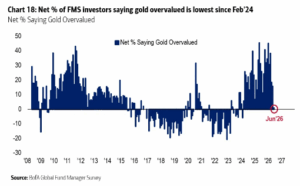
One of the more surprising developments is happening in gold. Fund managers now view gold as the least overvalued it has been in roughly 2.5 years.
Technically it remains below its declining 20-day moving average and continues trading in a broader downtrend after the sharp selloff earlier this month.
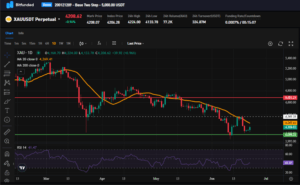
The $4,270 region remains the key resistance level bulls need to reclaim. As long as it remains below that level, momentum favors consolidation or additional downside pressure. Support continues to hold near the $4,100 area.
A break below can trigger another leg lower, while reclaiming the moving average would be the first sign buyers are regaining control.
BITCOIN IS STILL AT A CRITICAL LEVEL
BTC continues holding above its 200-Week Moving Average, one of the most important long-term support levels in crypto.
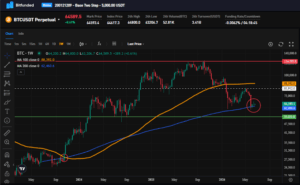
The key battleground remains between $62K and $66K. Bulls have successfully defended support, but they still need to reclaim $66K to confirm momentum is shifting back higher.
If BTC can reclaim that level, the probability of a move toward the $80K-$85K region later this year increases significantly. Failure to hold the 200-week moving average would put lower support levels back into focus.
ETF FLOWS REMAIN PROBLAMETIC
Institutional flows continue moving in the wrong direction. Spot Bitcoin ETFs recorded $227 million in net outflows last week, marking the sixth consecutive week of withdrawals.
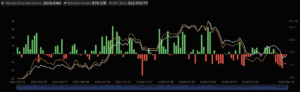
Ethereum ETFs also recorded another week of outflows. However, capital isn’t leaving crypto entirely. Flows continue rotating toward higher-beta opportunities:
- HYPE ETFs: +$27.95M
- XRP ETFs: +$10.66M
- SOL ETFs: +$7.11M
The message is clear. Institutions remain cautious on Bitcoin and Ethereum but continue looking for opportunities elsewhere.
STRATEGY’S BITCOIN MACHINE IS SLOWING
One of Bitcoin’s biggest buyers is becoming more cautious. Strategy added just 520 BTC last week worth approximately $35 million. That’s significantly slower than the pace investors became accustomed to earlier this year.
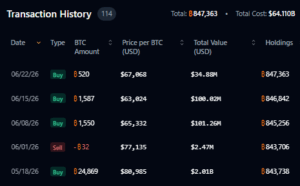
The reason is STRC.
Strategy’s preferred security continues trading well below its intended $100 price level, making it harder for the company to efficiently raise fresh capital. At the same time, Strategy increased its cash reserves by $300 million, bringing total reserves to approximately $1.4 billion.
Management says the goal is strengthening the credit quality of its Digital Credit securities.
The result is simple: Strategy is still buying Bitcoin. Just not nearly as aggressively as before. That matters because Strategy has been one of the largest sources of consistent demand throughout the cycle.
SOLANA CONTINUES TO LEAD THE ALTCOIN RECOVERY
While much of the altcoin market remains under pressure, Solana continues showing relative strength. The ecosystem narrative remains strong. Meteora dominates launchpad volume. Jupiter continues aggressive buybacks. Jito is expanding further into perpetuals trading.
Technically it has recovered sharply from the $62 support zone and is now testing major resistance around $75-$76.
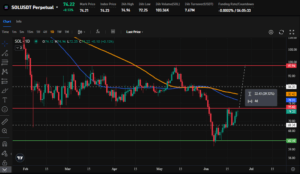
A successful breakout above resistance would open the path toward $86, with the psychological $100 level above that. As long as support near $68 holds, the structure remains constructive.
JITO IS ONE TO WATCH
JTO continues benefiting from improving sentiment across the Solana ecosystem. The token remains one of the stronger charts among major ecosystem plays.
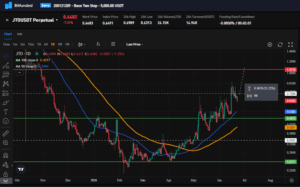
Currently it remains above both key moving averages and continues building a higher-low structure. The immediate challenge sits near $0.72 resistance. A breakout above that level would put the $1.00-$1.05 zone into focus. As long as support near $0.54 holds, the trend remains bullish.
ETHEREUM IS FIGHTING FOR $1,750
ETH continues attempting to reclaim the February highs after a failed breakout earlier this month. The $1,750 level remains the most important area on the chart.
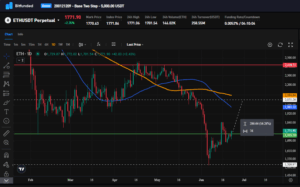
A successful reclaim would likely open the door toward the $1,980-$2,050 region where major moving averages sit. Failure to reclaim the level would suggest the recent bounce was simply a relief rally. In that scenario, the lower support region near $1,500 becomes vulnerable again.
THIS WEEK’S MACRO CALENDAR
After last week’s hawkish FOMC meeting, markets now turn back toward incoming economic data.
- Tuesday: June S&P Global PMI
- Wednesday: May New Home Sales
- Thursday: Q1 2026 GDP, May PCE Inflation
- Friday: Michigan Consumer Sentiment, Michigan Inflation Expectations
The most important release remains Thursday’s PCE inflation report. Markets are no longer debating how many cuts are coming. They’re debating whether the next move could eventually be another rate hike.
This week’s inflation data may provide the answer.
TRADE GLOBAL VOLATILITY WITH BITFUNDED
Markets are moving fast, and volatility continues creating opportunities for prepared traders.
👉 Access funded trading accounts
👉 Keep your personal capital protected
👉 Scale positions with confidence
👉 Take advantage of market-moving events
START TRADING WITH BITFUNDED
THE BITFUNDED TEAM